
What Is a Battery Cell?
Types of battery cells is the part that holds and gives out electric power by using chemical reactions. A full battery can have one battery cell or many battery cells joined together to give the needed voltage and amount of power. For instance a laptop battery pack may hold rechargeable lithium‑ion battery cells together with electronic parts that watch the charging and guard the battery.
Battery cells differ in their chemical composition, physical design and intended application. Some are designed for single‑use devices while others can be hundreds or thousands of times under suitable conditions. Their performance depends on factors such as capacity, discharge rate, temperature, age and manufacturing quality.
Primary vs. Secondary Battery Cells
The two broad categories of battery cells are battery cells and secondary battery cells. The main difference is whether a battery cell is made to be used by recharging.
Primary Battery Cells
Primary battery cells are usually made for one‑time use. When a primary battery cell runs out of stored energy it is replaced of recharged. Common examples are AA and AAA battery cells used in remote controls, clocks, toys and other household devices.
These battery cells are convenient because they are widely available and normally do not need any charging equipment. However replacing battery cells again. Again can raise long‑term costs and produce waste. Primary battery cells are best suited to situations where simple operation, long shelf life or infrequent battery changes matter.
Secondary Battery Cells
Secondary battery cells are rechargeable meaning they can store energy again after being used. Lithium‑ion battery cells, nickel‑metal hydride battery cells and lead‑acid battery cells are well‑known examples. These battery cells are found in laptops, smartphones, rechargeable tools, vehicles, backup power systems and many other products.
Rechargeable battery cells can lower how often replacement happens. Battery cells slowly lose capacity with age and use. The service life of a battery cell depends on its chemistry the temperature it works at the charging conditions and the overall battery design. Laptop batteries usually use lithium‑based battery cells because battery cells can hold a lot of energy compared to their weight.
Cylindrical Battery Cells
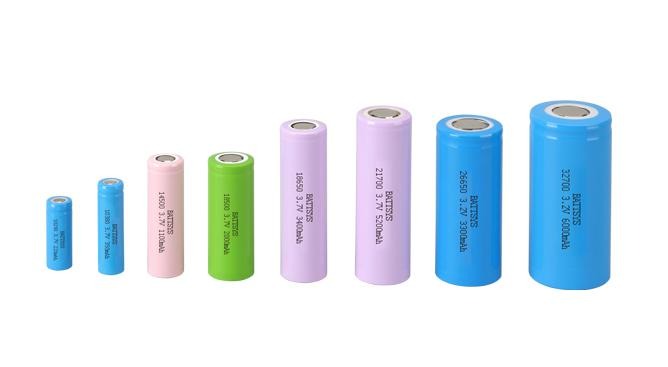
Cylindrical battery cells have a tube‑like shape, like the familiar AA battery cell although lithium‑ion cylindrical battery cells can have different sizes. Popular formats are 18650 and 21700 battery cells with the numbers showing their dimensions in millimetres.
Their rigid metal casing gives protection and well‑known manufacturing processes make cylindrical battery cells good for large‑scale production. Cylindrical battery cells are used in power tools, battery packs, some laptops and electric vehicles. One limitation is that round battery cells can leave space when they are packed into rectangular spaces.
Prismatic Battery Cells
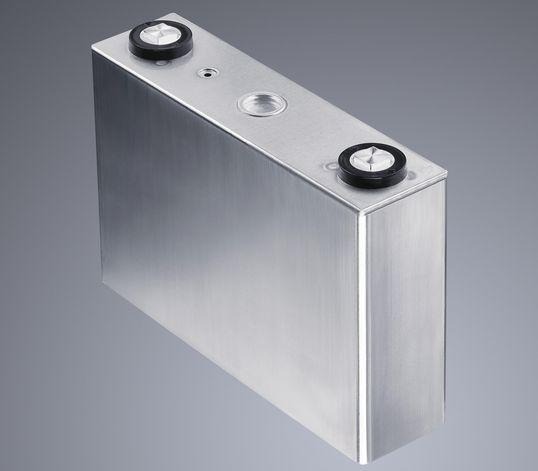
Prismatic battery cells have a shape and usually use a rigid metal casing. This design can use space efficiently in battery packs cutting gaps between battery cells and letting manufacturers arrange them in tight layouts.
These battery cells are common in vehicles and stationary energy‑storage systems. Their size and capacity differ by manufacturer and application. Even though the rectangular design can simplify packaging, heat control, mechanical support and room for battery cell expansion still need thought.
Pouch Battery Cells
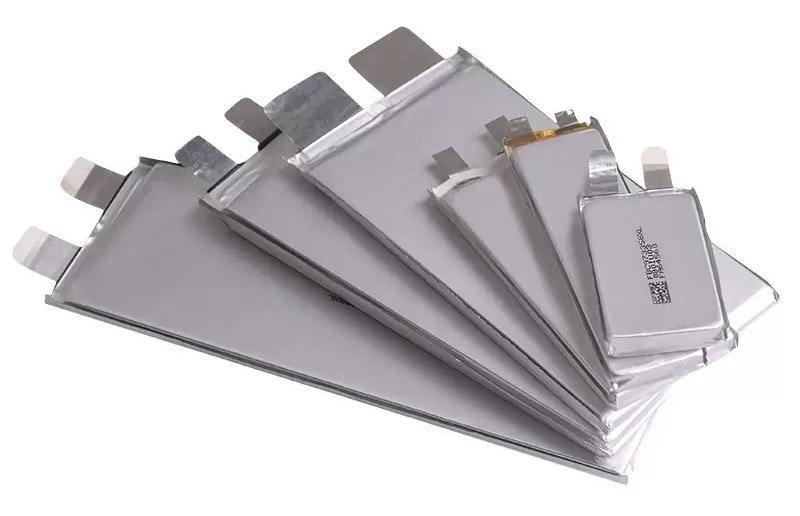
Pouch battery cells use laminated packaging instead of a rigid cylindrical or rectangular metal enclosure. This construction can lower weight. Help manufacturers make thin lightweight battery packs.
Pouch battery cells are used in smartphones, tablets, laptops and other compact electronics. Their shape can help manufacturers use space efficiently but the battery cells still need good mechanical support and protection. Swelling can happen as a battery ages. Develops a fault. A swollen battery should never be pressed, punctured or reused.
Coin and Button Cells
Coin battery cells and button battery cells are round battery cells commonly used in watches, calculators, car key fobs and compact electronic devices. Many are battery cells although rechargeable battery cells also exist.
Their small size makes them useful when a device needs little power and has limited room for a battery cell. However button battery cells are not interchangeable with rechargeable battery cells used in laptops. Button battery cells also pose an ingestion danger to children so button battery cells must be stored safely and handled carefully.
Common Battery Chemistries
Battery shape is one part of the picture. Chemistry decides things such, as voltage, energy storage, rechargeability, cost and operating requirements.
Lithium‑Ion Cells
Lithium‑ion battery cells are widely used in electronics because they give a useful mix of energy capacity and relatively low weight. Lithium‑ion battery cells power laptops, phones, cameras and rechargeable devices.
The performance of a battery changes with the lithium‑ion chemistry and the design of the cell. A battery needs charging equipment and protection systems. If a battery is hit, overheated or charged in the way safety risks can arise.
Lithium Iron Phosphate Cells
Lithium iron phosphate, which is often shortened to LFP is a type of battery. This chemistry is known for staying cool and lasting charge cycles when used properly. LFP batteries are found in some cars, solar storage units and backup power systems.
LFP cells normally store energy per unit weight than some other lithium‑ion chemistries. Because of this an LFP battery might need a space to hold the same amount of power. Choosing LFP depends on what the application values
Nickel‑Metal Hydride Cells
hydride or NiMH batteries are rechargeable cells that you often see in AA and AAA sizes and in some hybrid cars. NiMH batteries give an alternative to single‑use batteries in many everyday gadgets.
The energy that NiMH batteries can hold and how quickly they lose charge are different from lithium‑ion. Therefore selecting NiMH depends on the power requirement of the device the conditions in which it runs and the size of its battery compartment.
Lead‑Acid Cells
Lead‑acid batteries have been in use for years in cars, UPS units and backup power setups. They tend to be heavier than lithium batteries. Can still be valuable when cost, proven technology and dependable high‑current output are important.
Lead‑acid batteries need charging and careful handling. Some models also need ventilation and regular maintenance as the maker says. Because they are heavy lead‑acid batteries are not a fit for most modern lightweight laptop packs.
Battery Cell Comparison
Battery type Main characteristics applications
Cylindrical Rigid round casing Tools, some laptops, electric vehicles
Prismatic Rectangular space‑efficient Electric vehicles, energy storage
Pouch Lightweight, flexible packaging Phones, tablets, laptops
Coin/button Compact, low power Watches, key fobs calculators
Lithium‑ion chemistry High energy relative to weight Laptops, smartphones
NiMH chemistry Rechargeable Household devices, some hybrid vehicles
Lead‑acid chemistry Heavy established technology Cars, UPS systems
Remember that cell shape and chemistry are not the same. A cylindrical cell refers to its shape while lithium‑ion refers to the battery chemistry. Do not mix up these categories.
How to Choose the Right Battery Cell
Picking a battery involves more than looking at its size or cost. Think about the voltage the device needs the amount of energy it can store its charging system, its size and how it will be used. The battery must match the maker’s specifications to run safely and correctly.
For use verify that the battery chemistry works with the device’s charging and safety circuits. In battery setups you also need to think about heat control, how fast it can discharge and how many charge cycles it can do. When you replace a battery a product that’s truly compatible and correctly specified matters more than one that just looks the same.
Laptop Battery Cells and Compatibility
Laptop packs usually have lithium‑ion or lithium‑polymer cells that’re either cylindrical or pouch‑shaped based on the model and design. The finished pack can also have a battery‑management system that watches operating conditions and guards against unsafe charging or discharging.
If you need a pack look up your laptop’s exact model and the battery’s part number. Match the voltage, connector, size and supported models with the replacement listing. Laptop O.T. Offers a place to browse laptop battery choices and related info at Laptopot.com. Be sure to verify compatibility and warranty before you order.
Battery Safety and Maintenance
Keep batteries out of heat, wet places and from any physical harm. Use a charger that is made for your device and follow the maker’s storage and maintenance advice. Do not open sealed packs. Try to replace single lithium‑ion cells unless you have the right training and tools.
If a battery swells, leaks smells oddly. Feels very hot stop using it right away and get help from a professional. Do not throw batteries into regular trash; follow your local rules for recycling and disposing of batteries.
Common Battery Buying Mistakes
A frequent error is thinking that a battery, from one brand will fit every device. Another mistake is picking a replacement only because it has capacity or is cheaper. Wrong voltage, connectors that do not fit low quality build or missing safety features can lead to performance issues and hazards.
Before buying check the model read the product specifications and review the sellers return policy. Clear documentation and a good warranty can help you make an informed purchase.
Understanding the types of battery cells helps you compare batteries and pick the one for a device. Primary battery cells are mostly made for use while secondary battery cells can be recharged. Cylindrical, prismatic, pouch and coin battery formats each have their physical traits. Chemistries such as lithium‑ion, LFP, NiMH and lead‑acid give different performance trade-offs.
For laptop users, compatibility, quality and safety should always come first. Check the laptop model and the battery part number before buying a replacement. Use sellers that give clear product specifications.
Follow Us :
Facebook : https://www.facebook.com/LaptopBatteryHub
Instagram : https://www.instagram.com/laptop_o.t/?hl=en
Google Review : https://maps.app.goo.gl/M8nYVZPy6fEzRScc6
FAQ’s
What are the main types of battery cells?
The main physical formats are prismatic, pouch and coin or button battery cells. Battery cells are also grouped by chemistry and by whether they can be recharged.
Which type of battery cell is used in laptops?
Many laptops use lithium‑ion or lithium‑polymer battery packs. The exact battery format depends on the laptop design.
What is the difference, between pouch cells?
Cylindrical battery cells have round metal casings. Pouch battery cells use flexible laminated packaging. Each battery format needs space, mechanical support and heat management.
Are lithium-ion batteries rechargeable?
Yes. Lithium‑ion batteries can be recharged when used with chargers and protection systems. The battery capacity slowly falls as the battery ages. Is used.