
What Is a Lithium Ion Battery?
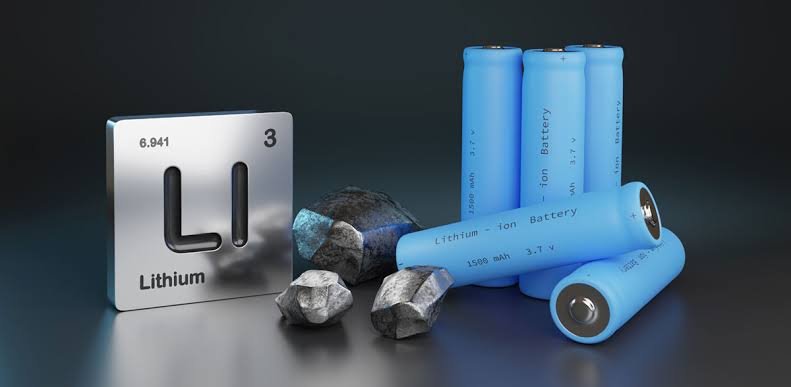
A lithium ion battery is a battery that stores and gives out electrical energy through chemical changes. These batteries are used a lot in laptops, phones, tablets, cars that run on electricity and many other electronic things because they have a lot of energy for their size and they are light. Unlike batteries that you throw away lithium ion batteries can be used again and again.. Their ability to hold energy gets a little less as they get older and as they are used more. Knowing how these batteries work can help you pick the one and take care of it properly.
How Does a lithium Ion Battery Work?
A lithium ion battery works by moving lithium ions forth between two parts when it is being charged and when it is being used. When you charge the battery energy is stored through a chemical process. When you use your device the battery gives out that energy to run its parts. This way devices can operate without being connected to a power source.
Main Parts of a Lithium Ion Battery
A lithium ion battery has four main parts:
- Anode: Helps keep lithium ions when the battery is being charged.
- Cathode: Determines important battery features like how much energy it can hold and how much power it can give.
- Electrolyte: Lets lithium ions move between the parts.
- Separator: Keeps the parts apart but lets the ions go through.
These parts together help the battery store. Give out energy in a good way.
Types of Lithium Ion Batteries
Lithium ion batteries come in types each made for certain uses. The way they are made affects how energy they can hold how long they last how much they cost and how safe they are.
Lithium Cobalt Oxide (LCO) batteries are often used in small electronic things because they can hold a lot of energy. Lithium Iron Phosphate (LFP) batteries are known for being safe and lasting a time which makes them good for storing energy and for some cars that run on electricity. Nickel Manganese Cobalt (NMC) batteries have a balance between how much energy they hold and how well they work, which makes them good for cars that run on electricity and other uses.
The best battery type depends on what the device needs. So always look at what the maker says before you choose an one.
Common Uses of Lithium Ion Batteries
Lithium ion batteries power things that people use every day. Their ability to be used again and again makes them good for devices that need strong and easy to carry power.
Laptop Batteries and Portable Electronics
Laptops, phones, tablets, cameras and earphones use lithium ion batteries a lot. In laptops these batteries let people work, study and use the internet without being connected to a power source.
The size of the battery measured in watt-hours (Wh) shows how energy it can hold.. The real time the battery lasts also depends on how bright the screen is, how the software is used, what the processor is doing and how the battery is in good shape.
If you need a battery for your laptop check the model of your laptop and the number of the original battery. Laptop O.T. Helps people find battery options for laptop brands and models helping them find the right replacements.
Electric Vehicles and Energy Storage
Cars that run on electricity use lithium ion battery systems to power their motors. These batteries give a lot of energy while keeping the weight under control. Lithium ion technology is also used for storing energy from the sun so electricity made when it is sunny can be saved for later.
These uses show how lithium ion batteries help with today’s ways of getting how to use energy.
7 Strong Advantages of Lithium Ion Batteries
Lithium ion batteries have good points that make them popular in many areas.
- Energy density: They hold a lot of energy for their size and weight.
- Can be recharged: They can be used times over.
- Light design: They are good for things that need to be carried
- Energy loss when not in use: Many lithium ion batteries keep their stored energy well.
- Used in places: They power things from small electronics to cars that run on electricity.
- Easy to use: They give the power for everyday electronics.
Can be made in ways: Engineers can put cells together to make different power setups.
Even though these benefits are strong how well a battery works can be different based on how it’s made how good it is, the temperature and how it is used. No battery lasts forever so taking care of it is important.
Lithium Ion Battery Compared to Other Battery Types
Different kinds of batteries are used for things. Lithium ion batteries are used a lot in things that you carry around while lead-acid batteries are used in systems that keep power ready.
- Feature Lithium Ion Lead-Acid
- Weight lighter Usually heavier
- Energy density Usually higher Usually lower
- Can be recharged Yes
Used in Laptops, phones, electric cars Backup power, some car systems
How much care is needed:
For laptops lithium ion batteries are especially useful because you need to carry them and have energy.. The right battery always depends on what the device needs.
How to Choose the Right Lithium Ion Battery
Choosing the battery is not just about how much it costs. A battery that does not fit could not work right. Could be a danger.
First find the model number of your device. For laptop batteries check the number of the battery and compare it with the replacement’s details. Make sure the voltage how energy it can hold the kind of connector, size and if the maker says it works are all right.
Then pick a seller and check the product details the warranty and the return policy. Avoid batteries that have information or seem too good to be true.
If you are looking for a laptop battery Laptop O.T. Is a place to check for options. Always make sure it fits before you buy to avoid wasting money.
Lithium Ion Battery Safety and Care
Taking care of your battery can help keep it working well and avoid dangers. Follow the makers rules. Use a charger that works.
Do not leave your battery in hot places in direct sunlight or where it could be broken. Do not let it run out completely every time you charge it. For laptops avoiding deep discharges and too much heat can help keep the battery in good shape.
Never make a hole in the battery crush it or open it. If your laptop battery swells up gets too hot. Looks broken, stop using it and charging it if it is safe. Ask a professional of trying to fix it yourself.
When you throw away a battery use a service that recycles batteries instead of throwing them in the trash.
Signs Your Lithium Ion Battery Needs Changing
Some signs might mean your battery needs help. Your laptop might not last long as it used to might shut down without warning or might have problems charging. These signs can also happen if the charger is not working right or if the software is not working. So check what is wrong before you buy an one.
Swelling in the battery is a warning. Stop using the device. Take it to be handled safely. Do not push on the battery make holes in it or try to flatten it.
When you need a battery make sure you know the laptop model and the battery number so you can get one that fits.
Conclusion
A lithium ion battery is a part of laptops, phones, cars that run on electricity and energy systems today. Its light design, ability to be used again and high amount of energy make it a favorite for carrying power.. Taking care of the battery handling it safely and keeping it in good shape are needed for it to work well.
If you need a laptop battery check the model of your laptop and the number of the battery before you buy. Laptop O.T. Focuses on laptop batteries for models helping people make better choices when buying.
Follow Us :
Facebook : https://www.facebook.com/LaptopBatteryHub
Instagram : https://www.instagram.com/laptop_o.t/?hl=en
Google Review : https://maps.app.goo.gl/M8nYVZPy6fEzRScc6
FAQs
1. What is a lithium-ion battery used for?
It powers laptops, smartphones, tablets, electric vehicles, and other rechargeable devices.
2. How long does a lithium-ion battery last?
Its lifespan depends on battery quality, usage, temperature, and charging habits.
3. Can a lithium-ion battery be recharged?
Yes, it is designed to be recharged and used repeatedly.
4. How do I know if my laptop battery needs replacement?
Short battery life, unexpected shutdowns, and charging problems can indicate battery degradation.